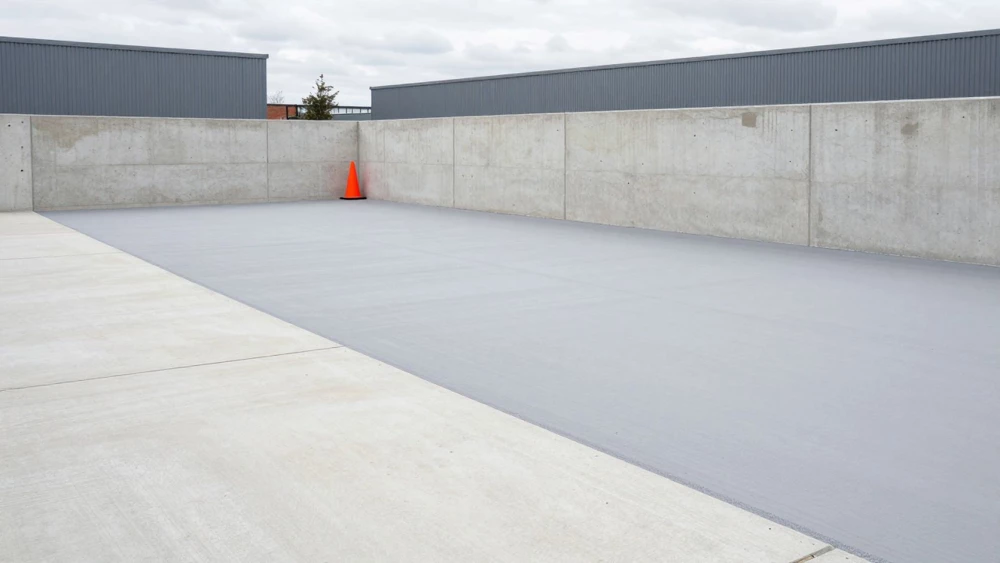
Concrete Resurfacing
Get in TouchAt Concrete Repair Specialists, we offer expert concrete resurfacing and the surrounding postcode area. Our services refresh and renew concrete surfaces, using advanced techniques and materials to ensure durability and improved aesthetics.
Whether it's a driveway, patio, or industrial floor, our resurfacing solutions enhance the structural integrity and appearance of your concrete surfaces. Our team is committed to providing high-quality results that meet your specific needs.
Contact us today to discuss your requirements.
Book Concrete Resurfacing Today
How Much Does Concrete Resurfacing Cost?
Concrete resurfacing costs around £25 to £50 per m². The price depends on factors such as surface condition, total area to be resurfaced, and the type of finish desired.
For a smoother and more durable outcome, we offer options like polymer-modified overlays, which enhance bond strength and resistance to wear. In cases where significant damage or existing cracks are present, we may need to include additional repair work, such as crack filling or patch repairs, which can affect the overall cost.
Standard single-colour resurfacing usually costs less, while decorative finishes like stamped or coloured overlays may increase the price due to additional labour and material requirements. Additionally, achieving certain textures might require specialised tools such as trowels or sprays, which could also influence pricing.
We provide detailed, competitive quotes tailored to your specific project requirements. Contact us for a consultation and estimate suited to your needs.
What Types of Concrete Resurfacing Are Available?
We offer various types of concrete resurfacing options to meet different needs:
Standard Overlays: A cost-effective solution for a fresh look suitable for both residential patios and industrial floors. These overlays typically use a polymer-based compound for added resilience against wear and tear.
Stamped Concrete Overlays: Mimics the look of stone, brick, or tile, providing a decorative finish perfect for driveways or garden paths. The process involves adding a patterned layer using specialized stamping tools and a colour hardener.
Polished Concrete: Offers a sleek, shiny finish ideal for interiors like showrooms and office spaces. This technique uses a series of diamond polishing pads to achieve a smooth texture, with optional concrete densifiers for enhanced hardness.
Coloured Concrete Coatings: Adds aesthetic appeal with vibrant colours and is often used in retail environments or galleries. Pigments and sealers are used together to ensure long-lasting colour that resists fading.
Each type provides durability and enhances the appearance of the concrete surface. Consult with our experts to choose the best option for your space.
How Long Does Concrete Resurfacing Take?
Most concrete resurfacing projects take between two and five days to complete. This duration includes surface preparation, which involves cleaning the area and removing any old coatings or debris using mechanical grinders or shot blasters.
The time required largely depends on the size of the area, existing surface conditions, and chosen resurfacing technique. For example, self-levelling overlays might require more time for application and curing compared to micro-toppings.
Additionally, specific patterns or colours may add to the timeframe if decorative elements such as stenciling or stamping are used. Compliance with safety regulations is ensured throughout the process, aligning with standards like BS 8204 for screeds and concrete bases.
Curing time must also be accounted for, which may add one to two days before the surface can be used again. For more information, contact us to discuss your specific project needs.
How Long Does Concrete Resurfacing Last?
With proper installation and maintenance, concrete resurfacing can last 10 to 15 years. The lifespan is influenced by various factors such as the type of resurfacing material used, whether modified cement, epoxy coatings, or polymer overlays, each offering different levels of resilience and wear resistance.
Additionally, exposure to weather conditions such as intense sunlight, heavy rainfall, and freeze-thaw cycles can impact longevity. For high-traffic areas, abrasion from foot or vehicle traffic may also reduce lifespan unless specialised heavy-duty surfacing agents, such as those containing silica or aluminium oxide additives, are used.
Regular cleaning using non-abrasive solutions and routine sealing at intervals recommended by manufacturers can help maintain the surface’s integrity. Meeting local industry standards for application and choosing the right thickness, generally from 3mm to 6mm depending on use, are crucial for ensuring durability.
We recommend routine sealing and maintenance to maximise longevity and keep the surface in optimal condition.
Why Choose Concrete Repair Specialists for Concrete Resurfacing?
At Concrete Repair Specialists, our expertise in concrete resurfacing sets us apart. We use durable materials like polymer-modified overlays and employ techniques such as self-levelling underlayment to deliver excellent results.
Our skilled team is experienced in handling projects of all sizes, from residential driveways to large commercial spaces like parking decks, ensuring minimal disruption during the process.
We use equipment such as grinders and polishers to prepare surfaces, which helps achieve the desired texture and finish according to industry standards like those outlined by the Concrete Society. Our process typically involves repairing existing damage, applying an overlay, and sealing the surface, which collectively enhances durability and visual appeal.
Customer satisfaction is our priority, and we are dedicated to providing solutions that stand the test of time. Contact us today to discuss your concrete resurfacing needs and get a detailed quote.
Speak to a Concrete Resurfacing Expert
Frequently Asked Questions
How do I maintain a resurfaced concrete surface?
To maintain a resurfaced concrete surface, regular cleaning and sealing are essential. Use a mild detergent and water to clean the surface, and reseal every two to three years to protect against wear and tear.
Do I need planning permission for concrete resurfacing?
Typically, planning permission is not required for resurfacing existing concrete surfaces. However, it's best to check local regulations, especially if the project involves changes to drainage or external appearance.
Can concrete resurfacing be applied in any weather conditions?
For best results, resurfacing should be done in mild, dry weather conditions. Extreme temperatures and rain can affect the curing process and the final finish.
Get a Free Quote for Concrete Resurfacing
Contact us today for a no-obligation quote tailored to your concrete resurfacing project.